Conference Session Tracks
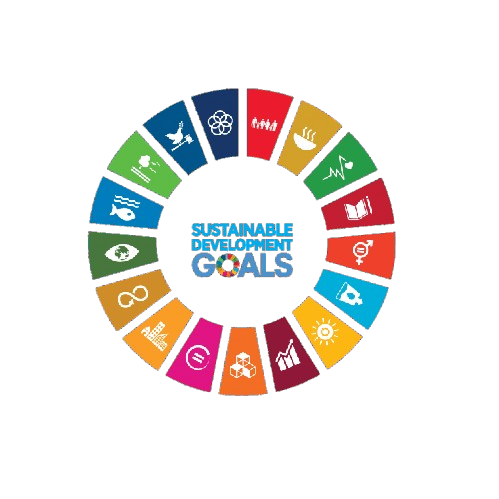
SDG 1
No Poverty
SDG 3
Good Health and Well-being
SDG 10
Reduced Inequalities
SDG 11
Sustainable Cities and Communities
SDG 13
Climate Action
SDG 16
Peace, Justice and Strong Institutions
SDG 17
Partnerships for the Goals
Track 01
Civil Rights in Disaster Response
This track explores the intersection of civil rights and disaster management, focusing on the legal frameworks that protect individual rights during emergencies. Papers will examine case studies and policies that ensure equitable treatment of affected populations.
Track 02
Legal Frameworks for Emergency Preparedness
This session addresses the legal obligations of governments and organizations in preparing for natural and manmade disasters. Contributions will analyze existing laws and propose reforms to enhance disaster readiness and response.
Track 03
Community Resilience and Rights Protection
Focusing on community-level strategies, this track investigates how civil rights can be upheld while fostering resilience in disaster-prone areas. Discussions will include grassroots initiatives and the role of local governance in protecting vulnerable populations.
Track 04
Humanitarian Law in Crisis Situations
This session delves into the application of humanitarian law during disasters, particularly in conflict zones. Papers will assess the effectiveness of legal protections for civilians and the challenges faced by aid organizations.
Track 05
Disaster Management Policies and Civil Liberties
This track examines the impact of disaster management policies on civil liberties, particularly in the context of surveillance and emergency powers. Contributions will critique existing policies and suggest pathways to balance security and rights.
Track 06
Legal Implications of Evacuation Procedures
This session focuses on the legal considerations surrounding evacuation procedures during disasters. Papers will analyze the rights of evacuees and the responsibilities of authorities in ensuring safe and just evacuations.
Track 07
The Role of Law in Disaster Recovery
This track investigates the legal frameworks that govern disaster recovery efforts, emphasizing the importance of equitable resource distribution. Contributions will highlight case studies that illustrate successful recovery models and legal challenges.
Track 08
Public Health Law and Disaster Management
This session explores the intersection of public health law and disaster management, particularly in the context of pandemics and environmental crises. Papers will discuss legal responses to health emergencies and their implications for civil rights.
Track 09
Environmental Law and Disaster Preparedness
Focusing on environmental law, this track examines its role in disaster preparedness and mitigation strategies. Contributions will analyze how legal frameworks can promote sustainable practices to reduce disaster risks.
Track 10
Technological Innovations and Legal Challenges
This session addresses the legal challenges posed by technological innovations in disaster management, such as data privacy and surveillance. Papers will explore the balance between leveraging technology for safety and protecting individual rights.
Track 11
International Cooperation in Disaster Law
This track investigates the role of international law in fostering cooperation among nations during disasters. Contributions will analyze treaties, conventions, and collaborative frameworks that enhance global disaster response efforts.

 Home
Home