HYBRID EVENT:
You can participate in person at Manchester, UK or Virtually from your home or work
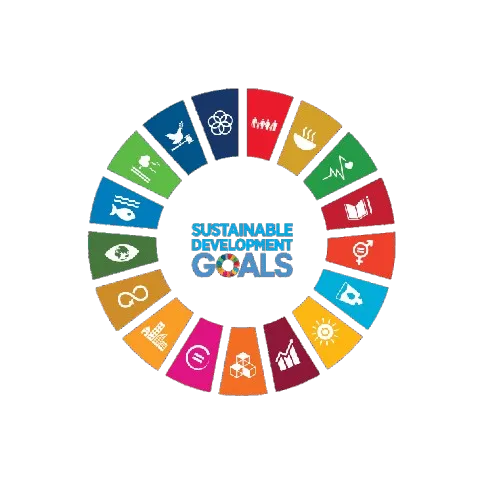
Aligned with
This conference contributes to global sustainability by aligning its research discussions and academic sessions with key United Nations Sustainable Development Goals. It fosters knowledge exchange, innovation, and collaborative engagement.
This track focuses on the intricate processes of nutrient cycling within marine ecosystems and their implications for biological productivity. Participants will explore the interactions between physical and biological factors that influence nutrient dynamics in oceanic environments.
This session will delve into the mechanisms of primary production in marine environments and its role in carbon flux. Researchers will present findings on how varying environmental conditions affect productivity and carbon sequestration in ocean systems.
This track examines the role of phytoplankton as foundational components of marine food webs and their response to environmental changes. Discussions will include phytoplankton diversity, distribution, and their contributions to ecosystem services.
This session will investigate the chemical processes governing marine biogeochemistry and their implications for ocean health. Topics will include nutrient availability, chemical interactions, and the impact of anthropogenic influences on marine chemistry.
This track addresses the effects of climate change on ocean productivity and biogeochemical cycles. Researchers will present studies on shifting marine species distributions, altered nutrient dynamics, and the resilience of marine ecosystems.
This session focuses on the importance of coastal ecosystems in maintaining biodiversity and providing ecosystem services. Participants will discuss innovative monitoring techniques and management strategies for preserving coastal health.
This track explores the relationship between marine biodiversity and the ecosystem services it provides. Presentations will highlight the importance of biodiversity in sustaining marine productivity and resilience against environmental stressors.
This session will cover advancements in ocean modeling techniques and their applications in predicting biogeochemical processes. Researchers will share insights on how modeling can enhance our understanding of marine ecosystems and inform management practices.
This track investigates the complexities of marine food webs and the trophic interactions that drive ecosystem dynamics. Discussions will include the impacts of species interactions on productivity and ecosystem stability.
This session focuses on the mechanisms and processes of carbon sequestration in marine environments. Participants will explore the role of various marine organisms and habitats in capturing and storing carbon.
This track highlights novel research methodologies and technologies in the field of ocean biogeochemistry. Presentations will showcase interdisciplinary approaches that enhance our understanding of marine systems and their responses to global change.

Institute for Sustainable Innovation & Technology (ISIT) is one of the biggest professional organisations in South Asia and offers the greatest technical assistance to professionals, researchers, and students.
Copyright © All Rights Reserved Terms & Conditions
 Home
Home