Conference Session Tracks
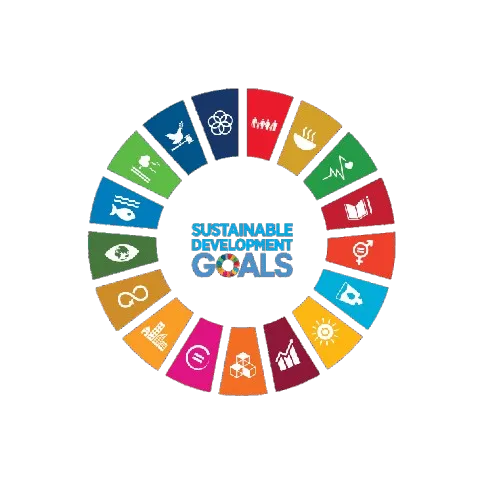
SDG 5
Gender Equality
SDG 8
Decent Work and Economic Growth
SDG 10
Reduced Inequalities
SDG 13
Climate Action
SDG 15
Life on Land
SDG 16
Peace, Justice and Strong Institutions
SDG 17
Partnerships for the Goals
Track 01
Islamic Ethics in Contemporary Governance
This track explores the integration of Islamic ethical principles within modern governance frameworks. It aims to analyze how these principles can inform public policy and enhance moral accountability in leadership.
Track 02
Social Justice and Islamic Thought
This session focuses on the concept of social justice as articulated in Islamic teachings. Scholars are invited to discuss the implications of these teachings for contemporary social policies and practices.
Track 03
Islamic Law and Human Rights
This track examines the intersections between Islamic law and international human rights standards. Participants will critically assess how Islamic jurisprudence can contribute to the discourse on human rights.
Track 04
Morality and Political Studies in Islamic Contexts
This session investigates the role of morality in political studies through an Islamic lens. It seeks to understand how ethical considerations shape political behavior and policy-making in Muslim societies.
Track 05
Public Policy and Islamic Governance Models
This track analyzes various models of governance derived from Islamic teachings and their applicability to contemporary public policy. Discussions will focus on the effectiveness of these models in addressing societal challenges.
Track 06
The Role of Religion in Shaping Public Policy
This session explores how religious beliefs, particularly Islamic tenets, influence public policy decisions. Scholars will examine case studies that illustrate the impact of religion on governance and social welfare.
Track 07
Islamic Ethics and Environmental Sustainability
This track addresses the ethical dimensions of environmental sustainability from an Islamic perspective. It aims to explore how Islamic teachings can guide policies for ecological preservation and responsible stewardship.
Track 08
Gender Justice in Islamic Ethics
This session focuses on the discourse surrounding gender justice within Islamic ethics. Participants will analyze how Islamic principles can inform policies aimed at achieving gender equality and empowerment.
Track 09
Islamic Perspectives on Economic Justice
This track examines the principles of economic justice as derived from Islamic teachings. Discussions will focus on how these principles can inform equitable economic policies and practices.
Track 10
Religious Pluralism and Public Policy
This session investigates the challenges and opportunities presented by religious pluralism in shaping public policy. Scholars will discuss how Islamic ethics can contribute to fostering inclusivity and social cohesion.
Track 11
Islamic Thought and Global Governance
This track explores the contributions of Islamic thought to the discourse on global governance. Participants will assess how Islamic principles can address global challenges such as conflict resolution and humanitarian aid.

 Home
Home