HYBRID EVENT:
You can participate in person at Byblos, Lebanon or Virtually from your home or work
Aligned with
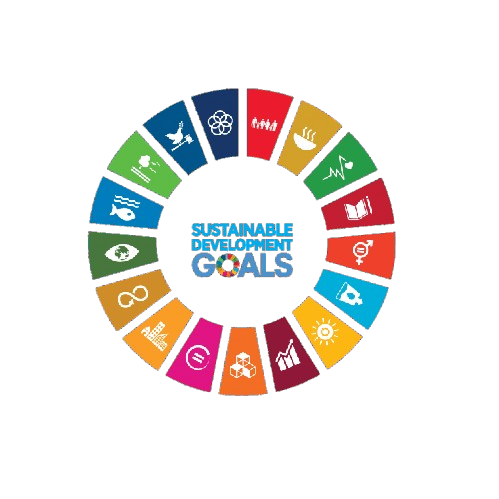
This conference contributes to global sustainability by aligning its research discussions and academic sessions with key United Nations Sustainable Development Goals. It fosters knowledge exchange, innovation, and collaborative engagement.
This track focuses on novel methodologies for transforming waste materials into valuable resources through bioconversion processes. Emphasis will be placed on case studies and experimental results that demonstrate the efficacy of these innovative techniques.
This session will explore the foundational principles of circular bioengineering and its application in sustainable waste management. Participants will discuss best practices and successful implementations in various industrial contexts.
This track will delve into the use of predictive modeling techniques to enhance bioprocess efficiency and effectiveness. Attendees will examine case studies showcasing the integration of predictive analytics in optimizing bioconversion workflows.
This session will highlight the role of supervised and unsupervised learning in addressing challenges within waste management systems. Discussions will include feature extraction and anomaly detection techniques that improve decision-making processes.
This track will investigate the implementation of digital twin technology in bioprocess modeling and simulation. Participants will explore how digital twins can enhance system monitoring and predictive maintenance in bioconversion systems.
This session will focus on the integration of Industrial Internet of Things (IIoT) technologies in resource recovery processes. Attendees will discuss the impact of IoT on workflow automation and system integration in waste bioconversion.
This track will cover advanced analytical techniques used for environmental monitoring in the context of waste bioconversion. Participants will explore how data analytics can inform policy and operational decisions for sustainable practices.
This session will address the critical aspects of model evaluation and performance metrics in bioprocess modeling. Discussions will focus on methodologies for assessing the accuracy and reliability of predictive models in waste management.
This track will explore various simulation techniques used to model and analyze bioconversion processes. Participants will discuss the role of simulation in enhancing understanding and improving the design of circular bioengineering systems.
This session will highlight innovative strategies for process optimization in biotechnological applications related to waste bioconversion. Attendees will share insights on improving efficiency and sustainability through advanced engineering practices.
This track will examine emerging trends and future directions in waste bioconversion technologies. Participants will discuss the implications of these trends for the field of biotechnology and the broader context of environmental sustainability.

Institute for Sustainable Innovation & Technology (ISIT) is one of the biggest professional organisations in South Asia and offers the greatest technical assistance to professionals, researchers, and students.

Copyright © All Rights Reserved Terms & Conditions
Due to heightened regional tensions and travel risks, the conference may be conducted in virtual-only mode. Updates regarding participation format will be communicated in advance.
 Home
Home